

Heavy snow warning —14 inches to hit: “downed powerlines”
[ad_1]
A late-season winter storm is bringing heavy, wet snow—up to 14 inches in the highest Colorado and Wyoming mountains—along with widespread travel hazards and the risk of downed trees and powerlines that could trigger scattered power outages, according to the National Weather Service (NWS).
The NWS is warning that the combination of deep, heavy, wet snow and gusty conditions is likely to make driving “very difficult,” especially across mountain corridors and along parts of the Front Range in Colorado.
School districts across Colorado have announced closures for Wednesday, May 6.
Colorado and Wyoming Winter Storm Warning: What’s Expected
The NWS has issued winter storm warnings across parts of Colorado and southeast Wyoming, with heavy, wet snow and hazardous travel conditions expected through Wednesday.
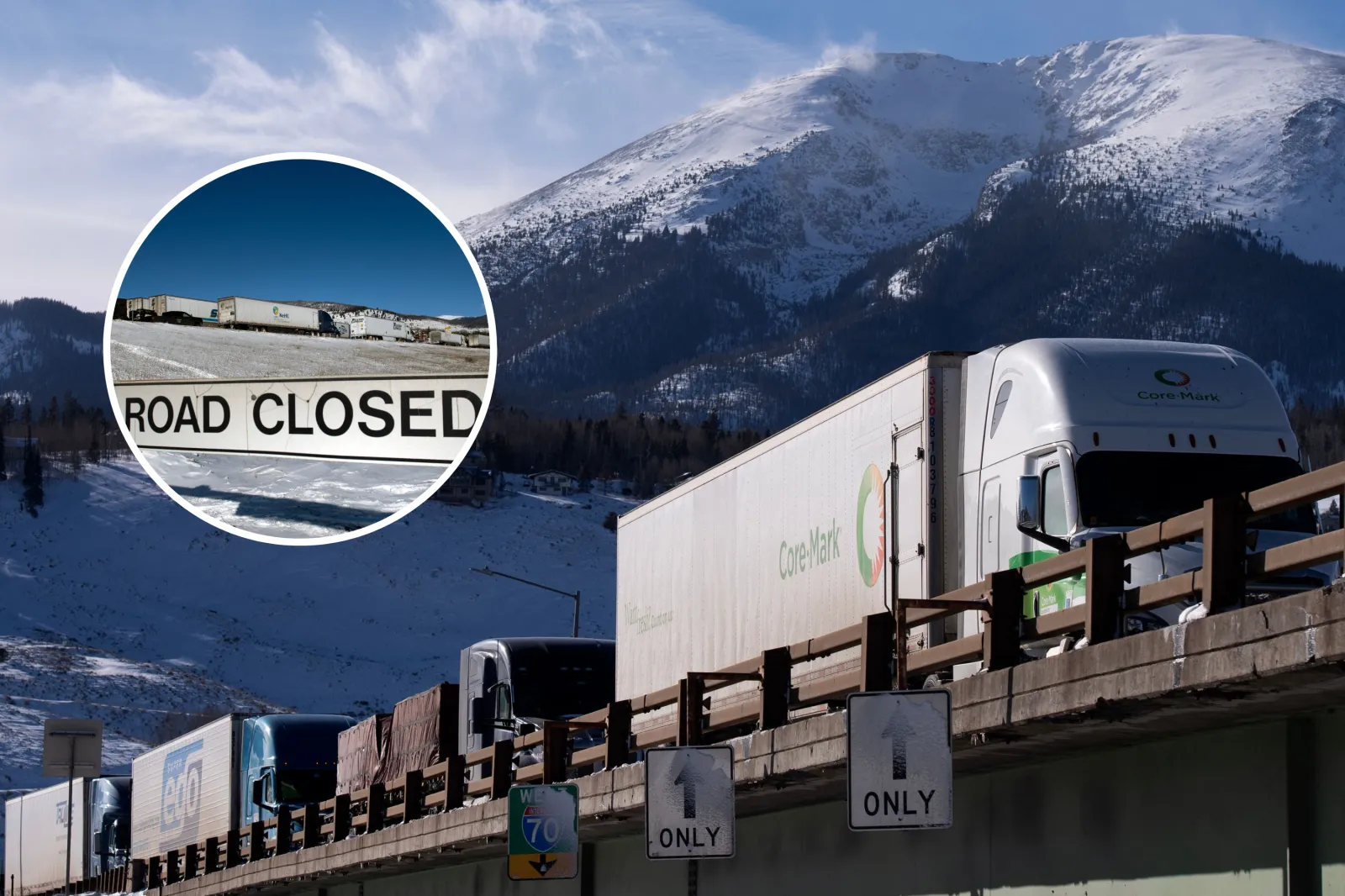
In Colorado, the most significant impacts are forecast in the mountains and foothills.
The NWS says Rocky Mountain National Park, the Medicine Bow Range, and northern Front Range foothill communities—including Estes Park, Red Feather Lakes, and Nederland—could see several inches of additional snowfall.
Further south, higher terrain in Summit County, the Mosquito Range, Indian Peaks, and southern Front Range foothills are also under warnings until Wednesday afternoon.
Separate warnings from the NWS Pueblo office highlight very heavy snow at higher elevations above 10,000 to 11,000 feet, including the Sangre de Cristo Mountains, Wet Mountains, and areas around Pikes Peak, where conditions are expected to deteriorate quickly and travel could become hazardous, especially over the mountain passes.
Lower elevations are also affected. The Denver, Boulder, Fort Collins, and Castle Rock areas remain under a winter storm warning, with slippery roads and dangerous commutes likely, despite getting lower amounts of snow.
The NWS warns that the weight of heavy, wet snow “may result in broken tree limbs, downed powerlines, and scattered power outages.”
Across the state line in Wyoming, warnings cover the Snowy Range, North Snowy Range Foothills, South Laramie Range, and Laramie Valley, including areas along Interstate 80 near Arlington, Elk Mountain, Cheyenne, and Laramie.
Officials warn that roads—especially bridges and overpasses—will likely become “slick and hazardous,” while low visibility and blowing snow could create hazardous conditions for outdoor activities and travel.
How Much Snow Is Expected? Colorado and Wyoming Snow Totals Forecast
Snowfall totals are expected to vary sharply depending on elevation, with the heaviest accumulations focused in the higher mountains of Colorado and parts of southeast Wyoming.
The NWS says that conditions could become severe, especially across Colorado’s highest terrain—particularly above 10,000 to 11,000 feet. The Sangre de Cristo and Wet Mountains are forecast to receive between 7 and 12 inches of snow, with similar totals likely in other alpine areas where travel may become very difficult.
Further north, lighter but still impactful snowfall is expected across the northern Front Range mountains and foothills.
Areas around Rocky Mountain National Park, the Medicine Bow Range, and nearby communities could see between 3 and 8 inches. Summit County, the Indian Peaks, and the Mosquito Range are forecast to get between 4 and 6 inches, which could make travel, especially through the higher passes, hazardous.
The Denver metro area and cities such as Boulder, Fort Collins, and Castle Rock could receive 2 to 4 inches of snow.
While the snow totals are lower here, the NWS is still warning that slippery roads and difficult commuting conditions are still likely, particularly during peak travel times.
Across the border in Wyoming, snowfall is expected to be heavier again at elevations. The Snowy Range could see between 8 and 14 inches, especially above 9,000 feet, while the surrounding foothills—including Arlington and Elk Mountain along Interstate 80 (I-80)—could get between 4 and 10 inches.
In the South Laramie Range and parts of the Laramie Valley, totals are forecast to get from 7 to 12 inches across higher terrain. Meanwhile, areas around the city of Cheyenne and central Laramie County could see 4 to 7 inches.
Snow Warnings: What Should Drivers Expect?
Drivers are being warned to expect difficult travel, with slick roads, reduced visibility at times, and disruptions to the Wednesday morning and evening commutes. The NWS emphasizes that the heavy snow is likely to make travel “very difficult” across parts of Colorado and Wyoming, particularly in higher elevations and foothill communities.
The NWS is warning that several key travel corridors are expected to be particularly affected:
I-80 in Wyoming
Along parts of I‑80 near Arlington and Elk Mountain, as well as the Summit between Cheyenne and Laramie, roads—especially bridges and overpasses—are likely to be hazardous. The NWS warns that travel conditions could deteriorate quickly as heavy snow continues.
Colorado Mountain Corridors and Passes
Travel warnings are also in place for major high-elevation routes such as the Eisenhower Tunnel, Berthoud Pass, and areas across Summit County, the Mosquito Range, and the Indian Peaks. The NWS says travel “could be very difficult,” with accumulating snow and hazardous conditions likely through Wednesday.
Monument Hill and northern El Paso County
The NWS specifically warns of slippery conditions over Monument Hill, where snow-covered roads could impact both the Wednesday morning and evening commutes.
Front Range foothills and Denver metro:
Even in lower elevations, including Denver and surrounding communities, lighter accumulations could still create slippery roads, especially during the Wednesday commutes.
What Drivers Should Do
The NWS advises anyone who must travel to carry emergency supplies, including food, water, shovels, and a flashlight, and to check the latest road conditions before they set off by calling 511.
Which Colorado Schools Are Closed Wednesday Because of the Storm
A growing list of Colorado districts announced Wednesday, May 6, closures due to the storm’s timing and the risk of hazardous roads.
CBS Colorado reported closures, including Denver Public Schools, Aurora Public Schools, Jeffco Public Schools, Douglas County Schools, Boulder Valley School District, Poudre School District, Littleton Public Schools, Thompson School District, and Weld RE‑4, among others.
[ad_2]
Source link